
Survival starts with mindset. Before tools, before routes and rescue signals, there are simple principles that tilt the odds in your favor. Prioritize: preserve life, then maintain core needs — shelter, water, fire, food, and a plan. Bias toward action; small choices compound. Stay calm, conserve energy, avoid unnecessary risks, and never underestimate the value of improvisation.
Psychology shapes outcomes as much as technique. Panic shortens thinking, while presence lengthens options. Cultivate deliberate breathing to steady nerves. Set micro-goals: reach that tree, build that lean-to, boil water in ten minutes. Each completed task builds confidence, which fuels further action. Social connection matters, too. If you’re with others, assign roles, communicate clearly, and keep morale alive with simple optimism. If alone, talk to yourself — naming tasks transforms chaos into order.
Master a handful of practical skills and you’ll survive in surprising places. Fire making is foundational. Start with tinder: dry grass, birch bark, lint, or charred cloth. Tinder needs a spark; sparks come from friction, flint and steel, or a modern lighter. Practice the bow drill for primitive friction methods, and learn to craft kindling of progressively larger sticks. Create a teepee or log cabin structure for airflow, and protect flames from wind with rocks or a dug-in fire pit.
Shelter building is next. A shelter preserves body heat and buffers weather. Know a few quick options: debris hut for insulation, lean-to beneath saplings for wind protection, and snow caves for subzero conditions. Stack insulating materials between you and the ground — leaves, pine boughs, or a sleeping pad if you have one. Orientation matters: face the opening away from prevailing wind, and build a heat reflector with stones or logs if you expect a fire to warm the interior.
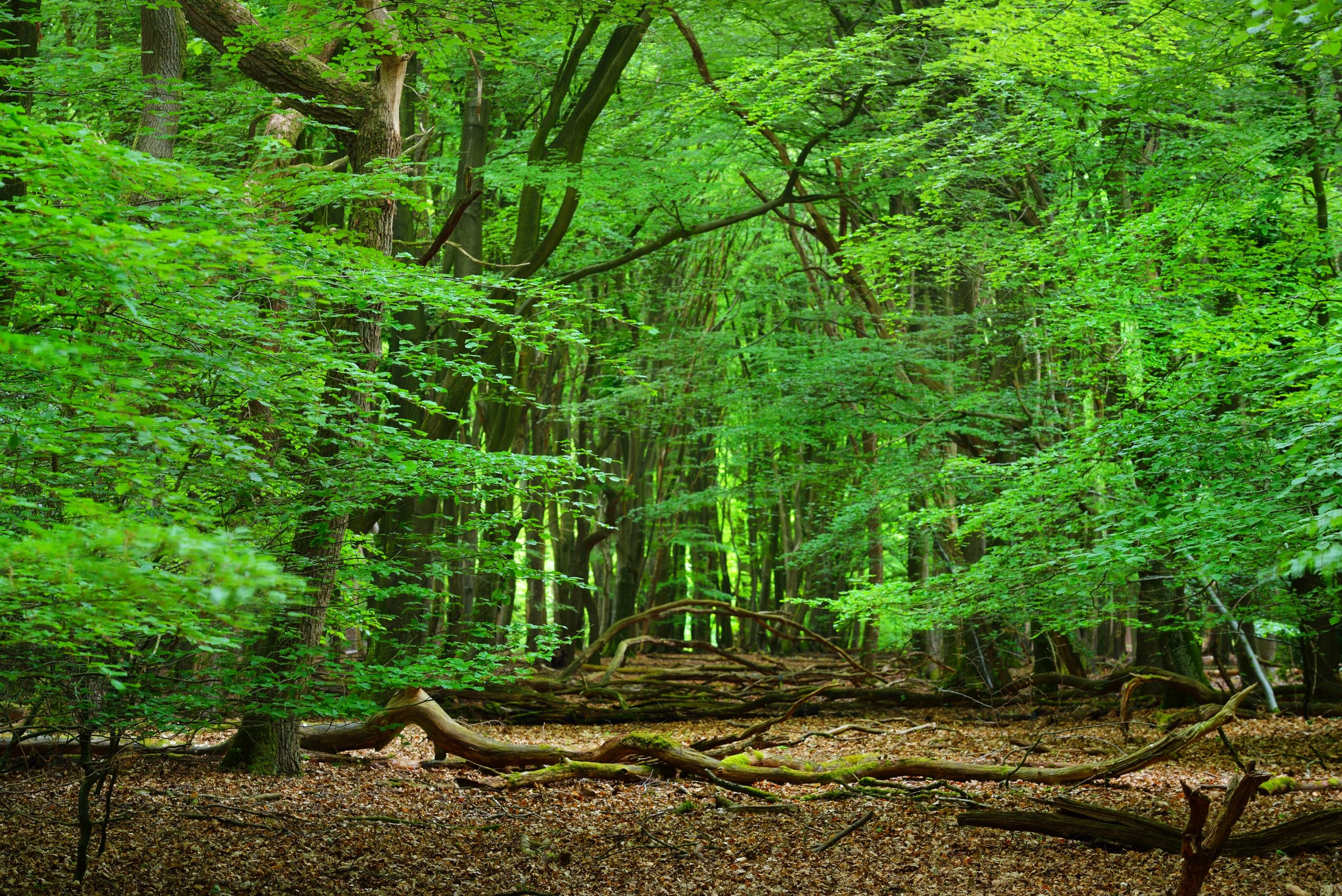
Navigation keeps you moving in the right direction. Understand basic orientation: sun rises east, sets west; moss patterns and tree growth can suggest prevailing wind but aren’t foolproof. Learn to read a map and compass; practice taking bearings and following a reciprocal heading. If you lack instruments, use natural cues: stars, river flow toward civilization, or following animal trails that often lead to water. Always leave markers — stacked rocks, tied ribbons — so you can trace your steps back.

Other everyday skills round out survival: treating wounds, purifying water by boiling or filtration, signaling for rescue with mirrors or smoky fires, and rationing supplies. Practice these techniques before you need them. Training converts fear into competence. Survival is not dramatic heroics; it’s steady, informed action. With clear priorities, a calm mind, and a toolkit of basic skills, anyone can increase their chances of making it through the unexpected.
Start small: practice knots, lighting a stove, and pitching a tarp in your backyard. Join a class or go with experienced friends. Keep a minimal emergency kit with cordage, blade, a way to make fire, and a compact water filter. The more you rehearse, the less likely you are to freeze when surprises arrive. Preparedness is habit — build.