Nightfall changes everything. The friendly landmarks you relied on by day—trees, ridgelines, a distant ridge—shrink into silhouettes. The world becomes sound and shadow, and survival decisions must shift quickly. Whether you’re under a closed jungle canopy, on an open desert plain, or perched above the tree line, mastering a handful of nightfall and navigation basics will keep you safe and oriented.
Forests and jungles are confusing in daylight and downright disorienting after dark. The canopy blocks stars and sun; the ground is a tangle of roots and leaves. First, find or build a simple shelter before night deepens. Lean-tos against fallen trunks, debris huts, or suspended hammocks keep you off damp ground and away from crawling insects. Make a fire where smoke won’t alarm wildlife—smoke can be a deterrent and a signal both. For navigation, use watercourses as guides: streams generally lead downhill and often to trails or human settlements. Don’t trust moss as a sole north-finder; moisture and light affect growth. When moving, mark your path with cairns, broken branches, or stacked rocks so you can retrace steps in low visibility.
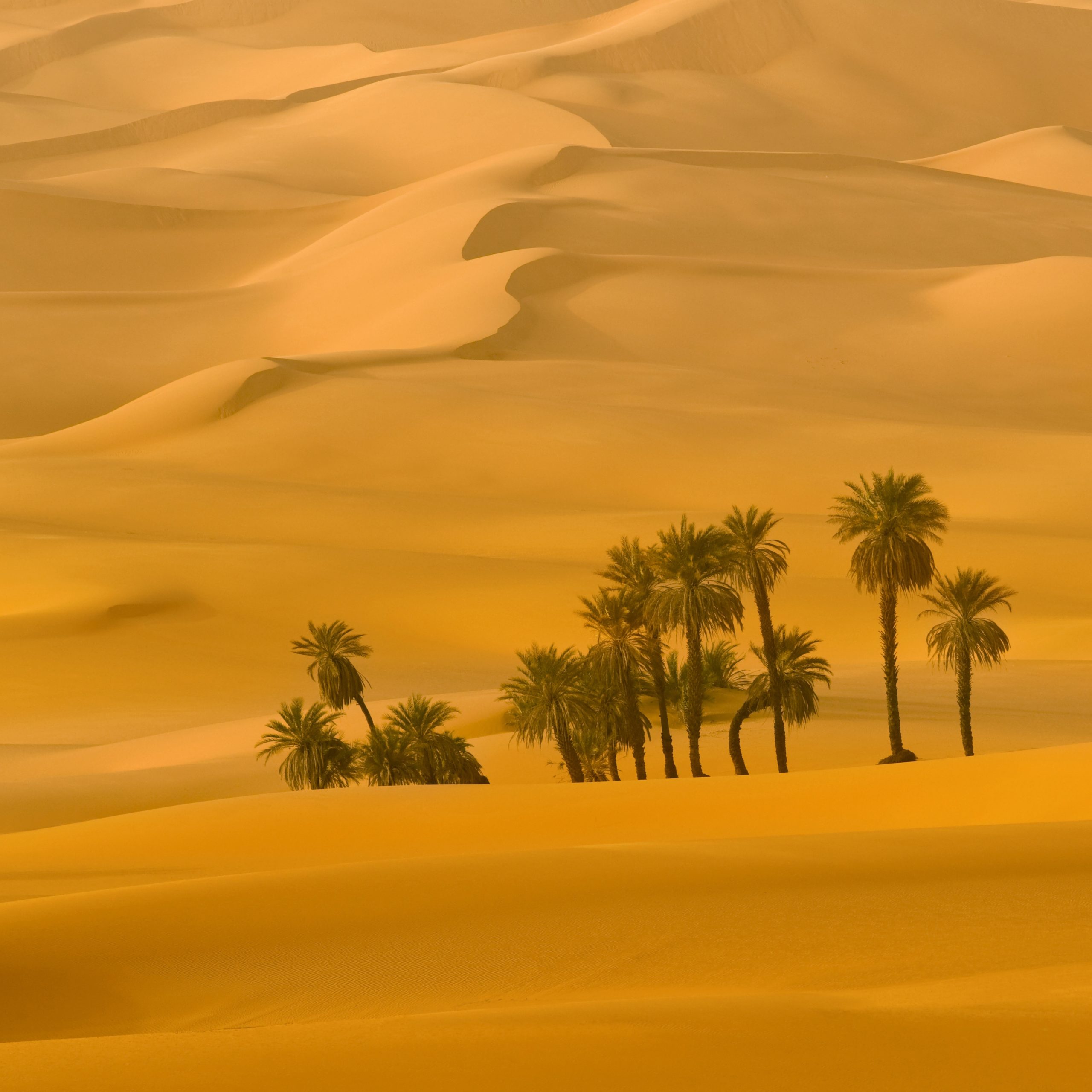
Deserts present the opposite problem: exposure. Daytime heat gives way to freezing nights, and orientation can be brutal when dunes shift and features look identical. Conserve water during the day — rest in shade and travel early morning or late evening when winds calm and temperatures drop. At night, the open sky is your ally. Use stars to navigate: Polaris marks north in the northern hemisphere; the Southern Cross or the Magellanic Clouds help southbound travelers below the equator. If you’re carrying a watch, the hour-hand method works for rough direction: point the hour hand at the sun (or estimate its daytime position before nightfall) and bisect the angle to find south or north depending on hemisphere. Solar shadows at dusk can also reveal general bearings. When stranded, prioritize shelter (insulation from cold ground), reflect heat with emergency blankets or bright surfaces, and create large ground or smoke signals that can be seen from aircraft.
Mountains mean altitude, steep exposures, and fast-changing weather. Night brings rapid temperature drops and the risk of hypothermia. Choose shelter sites out of wind, ideally below ridgelines but above avalanche paths. Rocks and boulders can provide windbreaks; build a snow cave or lean-to if needed, but only if you understand their construction. For navigation, ridgelines and valleys act like signposts—following a ridgeline often leads to trails or passes; valleys usually lead to water and habitation. Use cairns and natural landmarks to confirm direction, and when carrying one, a compass or GPS will be invaluable; batteries die faster in the cold, so insulated storage helps.
Across all terrains, basic rules apply: stay calm, conserve energy, secure water and warmth, and signal intelligently. Three fires in a triangle, large and smoky for rescue visibility. Mirrors, bright fabrics, or flashing lights work too. If you’re injured or truly lost, staying put increases the chance of being found. If you must move, travel during daylight and leave clear markers. Practice these skills before you need them. Nightfall will always be sobering, but with simple habits and terrain-aware choices, you turn darkness from enemy into manageable condition.