
Backcountry emergencies test more than your gear — they test your mind. Panic narrows choices; preparation widens them. Transforming fear into competence starts with simple, repeatable skills you can call on anywhere: shelter, water, fire, navigation, and first aid. But environments vary wildly. Forests and jungles, deserts, and mountains each demand different priorities and different mental habits. Learning what matters most in each landscape converts chaos into control.
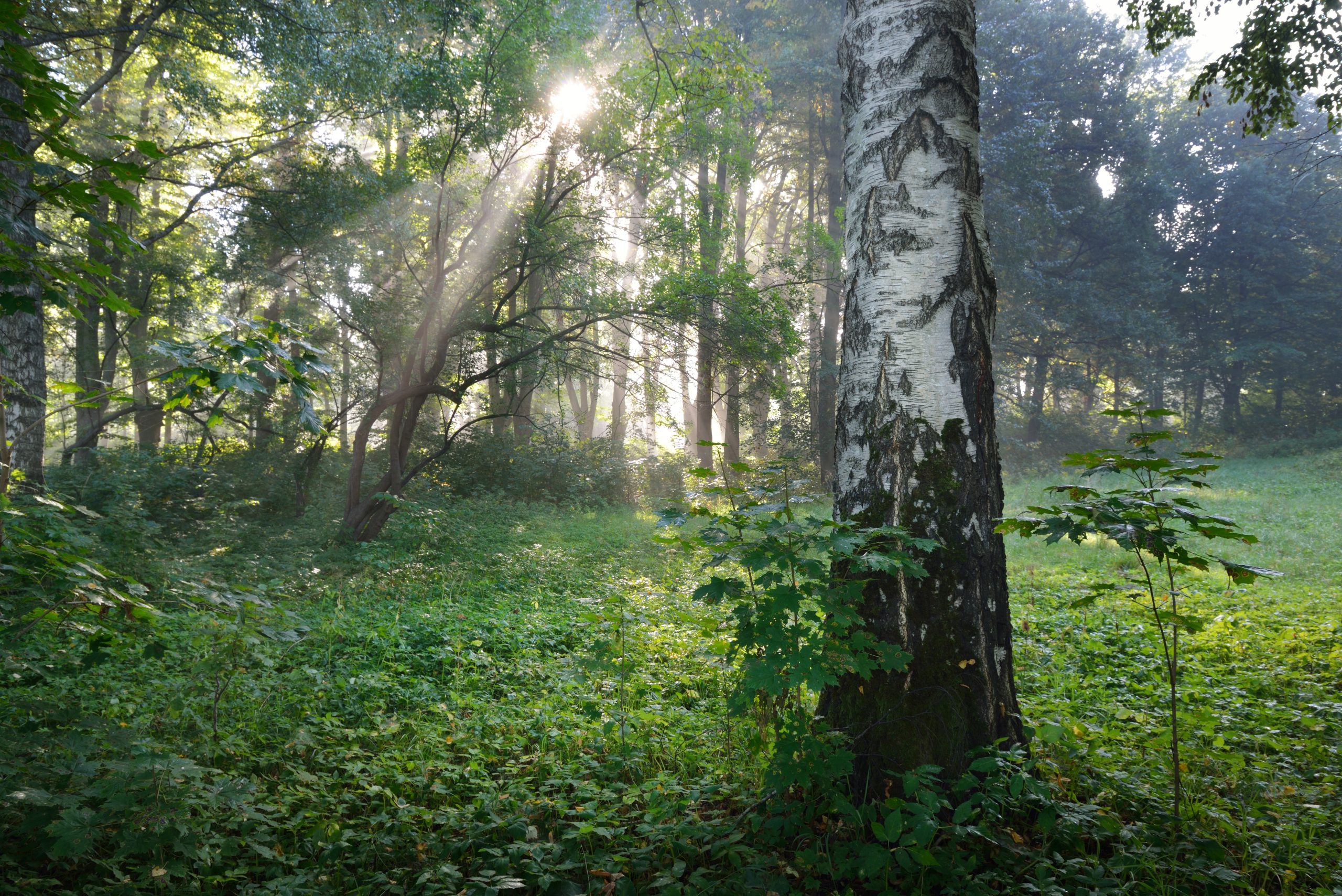
In forests and jungles, resources are abundant but deceptive. Vegetation offers shelter materials and signals for rescue, yet dense canopy hides the sun and distorts sound. Start by finding or building a simple shelter off damp ground, using large leaves and branches to keep rain and insects at bay. Water is usually nearby, but raw streams can carry pathogens — boil, filter, or chemically treat whenever possible. Use natural landmarks and a compass to maintain orientation; GPS batteries die, but moss or tree growth are unreliable guides. Stay calm, conserve energy, and move deliberately. Thick vegetation slows travel; a slow, steady approach often beats panicked bushwhacking. Learn to create noise and visible signals: a cleared patch, bright clothing, or a whistle are more effective than shouting until your voice gives out.
Desert survival flips the priorities. Shade, hydration, and timing become king. Temperatures can swing from blistering day heat to freezing nights. Avoid exertion at midday; travel at dawn or dusk. Find shade first, then ration water — small sips maintain function longer than gulping that leads to a worse crash. Seek water in dry stream beds, under vegetation, or by digging in areas where moisture accumulates; condensation traps and solar stills can help in dire situations. Dress to regulate temperature: breathable layers during the day and insulation at night. Navigation is easier with clear landmarks, but mirages and heat haze can deceive. Keep your bearings, mark progress, and remain conservative in distance estimates. Mental resilience in the desert comes from pacing and respecting limits.
Mountains demand respect for altitude, weather, and terrain. Hypothermia and falls are common threats. Shelter and warmth are immediate priorities; an emergency bivvy or insulated layers can make the difference. Learn to assess avalanche risk and to move on steep ground with solid, efficient footwork. Weather shifts rapidly — a clear valley morning can become a whiteout by afternoon. Carry a credible navigation kit and know how to use it under stress. Oxygen depletion at altitude affects decision-making; ascend slowly when possible and turn back early rather than pushing on.
Across all environments, practice beats theory. Run drills: build shelters, filter water, and perform mock rescues until actions feel automatic. Teach your brain predictable sequences to reduce panic: assess, stabilize, signal, move. Invest in quality basics — knife, firestarter, water filter, map, compass, first-aid kit — and master them. Confidence grows from competence. When training, simulate discomfort; learning to be cold, thirsty, or tired in controlled settings prepares you mentally and physically. Respect the environment, leave no trace, and you’ll return safer and more capable every time.